Make Stock Visible, Decisions Instant

Today we explore Visual-First Inventory and Storage Systems, turning shelves, bins, and screens into immediate cues that anyone can read at a glance. Through color, shapes, floor lines, labels, and light-touch sensors, you’ll cut searching, prevent stockouts, and coordinate replenishment gracefully. Expect practical patterns, quick wins, and human stories that prove clarity beats complexity on busy shop floors, stockrooms, clinics, and creative studios.

Why Seeing Beats Searching

When information is encoded in color, shape, and placement, your brain recognizes patterns before words even register. Visual cues offload working memory, shrink decision time, and align teams without meetings. In fast-moving operations, fewer questions and quicker confirmations translate into safer hands, steadier flow, and measurable service reliability across shifts.
Bold contrasts, consistent icons, and predictable positions recruit preattentive processing, letting people spot shortages, misplaced parts, or urgent signals almost instantly. Instead of decoding text-heavy spreadsheets, operators act from clear sightlines, dramatically reducing hesitation, chatter, and the tiny delays that quietly multiply into hours every week.
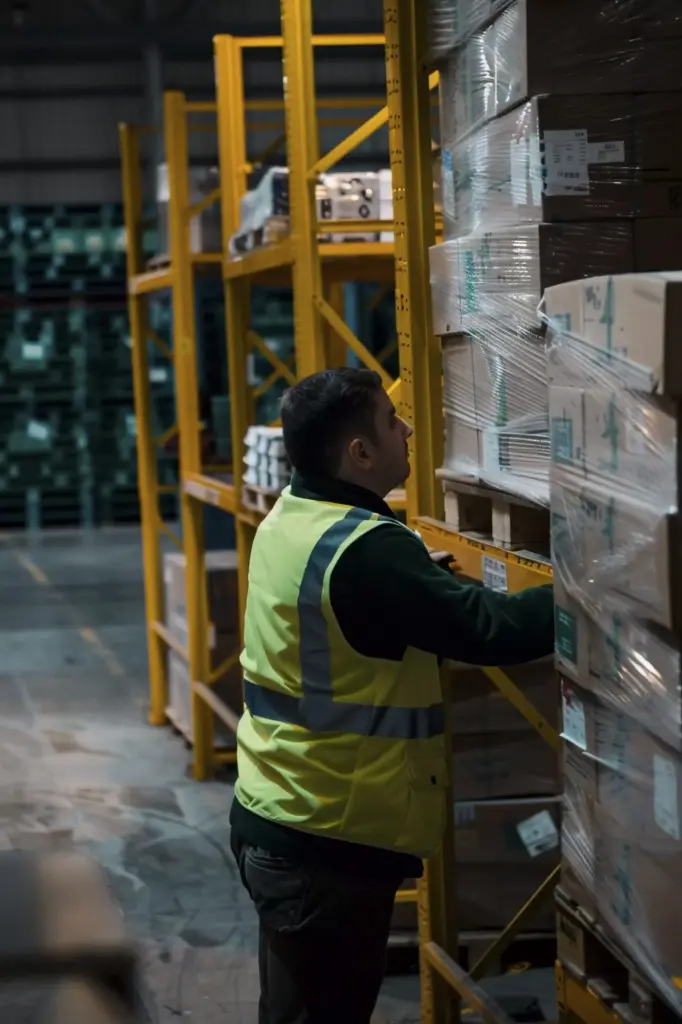
Color-coded bins and large-labeled shelves reduce pick confusion, while clear boundaries and floor markings prevent encroachment into travel lanes. When everyone recognizes the same signals, near-misses drop, returns shrink, and fragile items stop wandering, saving both morale and money while protecting people moving quickly under pressure.
Visual signals speak across accents, experience levels, and job roles. New hires read the room faster, contractors contribute confidently, and specialists field fewer interruptions. Standardized colors, icons, and zones create shared understanding, enabling smoother handoffs and faster mentorship, especially when shifts span nights, weekends, and multiple facilities.

Designing Signals That Stick

Good signals are intentional, legible, and durable under dust, glare, vibration, and distance. By defining a restrained palette, consistent shapes, and clear type, you’ll make cues effortless to spot and hard to misinterpret, even during rushes, audits, or power hiccups that normally spike stress.

Boards, Tags, and Smart Screens

Outline every tool, create homes with labels, and mark replenishment lanes clearly. People return items instinctively, setups accelerate, and safety inspectors smile. Add glow tape where lights dim, and color-match bins to their shadow outlines to reinforce habits, even when the shift is short-staffed or hurried.
Place scannable codes at natural touchpoints: bin lips, rack ends, and staging mats. Short URLs open reorder forms; RFID gates verify counts; handhelds confirm lot and expiry. Visual prompts guide scanning so records stay accurate without nagging, keyboards, or after-the-fact reconciliation marathons nobody enjoys.
Overhead cameras can estimate empty-space percentages, detect misplaced pallets, and flag blocked exits; dashboards convert signals into simple queues for replenishment or put-away. Keep visuals friendly: big fonts, clear colors, and sparing alerts. People act faster when status feels helpful, not scolding, or endlessly technical.

Flow That Pulls Instead of Pushes

Visual pull systems make work self-regulating. By revealing actual consumption and next-step readiness, they avoid bloated buffers and last-minute scrambles. Clear cards, two-bin cues, and lane limits create calm cadence, enabling small teams to hit ambitious service levels without spreadsheets, heroics, or constant managerial firefighting.

Two-bin cadence without spreadsheets

Use paired containers with obvious front empties and rear reserves. When the front is clear, move the rear forward and trigger replenishment using a card, scan, or light. The rhythm is visible to anyone walking by, keeping shortages rare and handoffs wonderfully uneventful.

Visual buffers and andon for surprises

Mark maximum and minimum lines right on shelves and totes. When reality drifts, an easy pull-cord, button, or bright card summons help without blame. The signal invites support early, preventing cascading delays and giving supervisors a clear snapshot to prioritize calmly under pressure.

Takt, bottlenecks, and heatmaps anyone understands

Project expected pace with large, forgiving visuals that show whether the line is ahead or behind. Heatmaps of dwell time highlight stubborn piles. Because the graphics are simple, stand-ups shift from debate to action, and improvements stick through shift changes and staffing surprises.

A maintenance room that found twenty minutes per shift

After drawing tool silhouettes and labeling fast-mover drawers, a veteran mechanic stopped guarding the cabinet. New techs grabbed what they needed without asking, returns spiked to near 100%, and setups started sooner. Over a quarter, downtime charts finally bent downward, and temp overtime tapered naturally.

A clinic pharmacy that stopped weekend panics

Color bands on shelves matched to formulary groups, with tall icons for cold-chain and controlled items. Two-bin kanban cards triggered batches before closing time Friday. Monday mornings shifted from breathless inventory hunts to calmly checking exceptions, and clinicians noticed fewer last-minute substitutions during busy rounds.

A makerspace where volunteers always find the right bit

Drill bits moved from plastic tubs into shallow trays labeled by shank and material, plus pictograms of tip geometry. Shadow board outlines mirrored tray groups, and returns became automatic. Workshop leaders reclaimed mentoring time, members felt independent, and broken sets stopped hiding in unmarked drawers.

Standards You Can Live With

Visual SOPs newcomers actually follow

Replace dense paragraphs with step photos, annotated labels, and expected conditions shown side by side with unacceptable ones. Include time targets and typical pitfalls. When people can compare quickly, they correct quickly, and consistency spreads without heavy policing, making training faster and recertification almost frictionless.
Audits that feel like coaching

Replace dense paragraphs with step photos, annotated labels, and expected conditions shown side by side with unacceptable ones. Include time targets and typical pitfalls. When people can compare quickly, they correct quickly, and consistency spreads without heavy policing, making training faster and recertification almost frictionless.

Metrics that inspire, not intimidate

Replace dense paragraphs with step photos, annotated labels, and expected conditions shown side by side with unacceptable ones. Include time targets and typical pitfalls. When people can compare quickly, they correct quickly, and consistency spreads without heavy policing, making training faster and recertification almost frictionless.

Start in Thirty Days

A short, focused rollout beats a perfect someday plan. Pick one area, define a shared visual language, and test relentlessly with the people who live the process. Capture before-and-after photos, measure retrieval times, and invite honest grumbles so improvements grow durable roots quickly.
Shadow users, map motion, and time the search for five common items. Photograph ambiguous labels, messy lanes, and bottleneck corners. With the team, decide success metrics that matter daily, not annually, and agree on the simplest signals to test without technology first.
Build cardboard mockups, tape temporary lines, and print oversized labels. Invite blunt feedback, change fast, and photograph everything. If a signal fails, document why with the users’ words. By Friday, lock a tiny kit of materials that felt reliable and easy to maintain.

Show your shelf: photos and diagrams welcome

Share a before-and-after pair, circle the key signal that changed behavior, and note any materials or vendors used. Real-world images spark faster adoption than theory alone, and your story might become the nudge a peer needs to finally tackle their hardest aisle.

Ask tricky questions, get practical answers

Unsure whether to choose RFID tags or QR codes, or how to color lanes in a constrained footprint? Drop a note describing constraints, safety rules, and staffing realities. We’ll respond with patterns, pitfalls, and examples from similar environments so testing starts on solid footing.