



See Faster, Pick Smarter: AR Vision in the Aisles

Step onto the warehouse floor where augmented reality pick-by-vision workflows guide every movement with crisp overlays, hands-free confirmations, and context-aware prompts. We explore how these systems elevate accuracy, reduce travel, accelerate onboarding, and delight customers through fewer errors and faster, more predictable fulfillment, while empowering operators with calm confidence. Share your questions and field stories, and subscribe to follow practical experiments and lessons learned.

From Wave to Wearable

As waves or discrete picks are generated, assignments stream to the glasses in tidy, prioritized chunks. Workers see aisle paths, bin identifiers, and unit-of-measure hints aligned to reality. No juggling paper or handheld screens, just steady progress validated by quick glances and subtle audio cues.

Guidance, Verification, and Feedback

Overlays point to the exact slot, then require a barcode or image match before acknowledging success. Quantities adjust automatically for inner packs or cases. When something mismatches, the system explains why, suggests alternatives, and records the event, building trustworthy data for future planning and slotting improvements.

Hardware That Earns Its Keep

Smart glasses, lightweight scanners, and robust networks do the heavy lifting behind the scenes. Comfort, battery life, optical clarity, and sanitation routines matter as much as features. Choose gear that disappears into the workflow, staying reliable through sweat, dust, humidity, and long, high-velocity shifts.

Designing Interfaces People Love

Great picking flows respect human attention. Large, legible text, high-contrast markers, and quiet animations reduce strain, while auditory cues confirm success without shouting. Instructions adapt to left- or right-handed preferences, vision acuity, and languages, helping newcomers feel competent within hours, not weeks, of practice.

Integrations That Actually Integrate

Data Models, Units, and Reality

Small mismatches balloon into chaos: inner packs treated as eaches, pallets read as cases, or catch-weights rounded badly. Model reality faithfully, including alternates and substitutions. Let the glasses request UOM changes gracefully, updating reservations instantly so inventory truth remains aligned with the physical shelf.

Resilience in Dusty, Noisy Places

Warehouses challenge perfection. Build offline queues, idempotent messages, and retries that back off politely. If a tote scan fails, capture evidence and keep moving until a supervisor intervenes. Resilience shines brightest during chaos, protecting service levels when storms, peaks, and maintenance collide unexpectedly across operations.

Security That Doesn’t Slow Work

Use device certificates, role-based access, and on-device encryption without adding login friction. Badge taps or glance recognition can unlock sessions during active waves. Logs should prove who touched what, when, and why, satisfying audits while keeping hands free and minds available for safe movement.

Proving ROI With Real Numbers

Investments survive scrutiny when outcomes are measurable and repeatable. Track picks per labor hour, first-pass accuracy, travel distance, and onboarding time. Pair quantitative gains with qualitative feedback about fatigue and clarity. When both trends improve, confidence grows, opening doors for bolder changes and cross-site standardization.

Accuracy and the Cost of Errors

Each mispick ripples outward: repacking, expedited shipping, refunds, and churned goodwill. By confirming at the slot and scanning at the tote, mistakes drop sharply. Capture every near-miss too; those learning signals target training, slotting, and packaging tweaks that further shrink waste without adding bureaucracy.
Travel Time and Slotting Insights

Heatmaps from aggregated paths reveal congested corridors and unhelpful pairings. Slow-movers belong high or far; fast-movers migrate closer to pack-out. With richer movement data, even small re-slotting experiments pay back quickly, spreading steps across shifts and reducing fatigue that silently taxes quality and morale.

Dashboards Workers Trust

Share performance with context, not shame. Show how blockers were removed, equipment improved, and training time credited. When people see honest progress, they contribute ideas openly. Transparency makes numbers meaningful, anchoring daily huddles and continuous improvement without reducing skilled humans to averages and simplistic league tables.

Stories From the Aisles

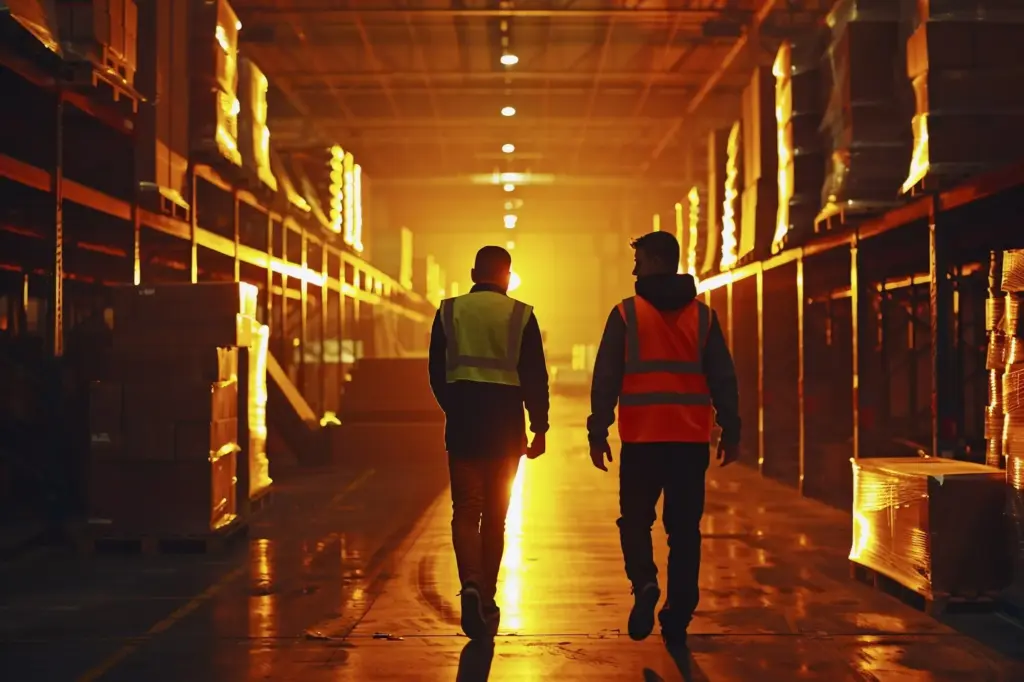
Real warehouses are messy, inspiring classrooms. One pilot overshot goals after a skeptical veteran discovered voice-plus-visual prompts beat his paper lists. Another site sped up cold storage picks by swapping gloves and fonts. Small, respectful adjustments turned doubters into champions, spreading confidence faster than memos.

From Pilot to Scale

Begin with a focused area and brave metrics. Recruit champions from operations, IT, and safety, then schedule retrospectives at shift change. Tight feedback loops refine prompts, slotting, and connectivity. When pilots outperform, expand deliberately, standardize practices, and keep celebrating frontline ingenuity that turns tools into trusted partners. Tell us where you would start, and we will share practical templates and readiness checklists in upcoming updates.

Choose a Slice and Measure Hard

Pick a product family with clear pain: fragile items, many variations, or distant bays. Define baseline metrics publicly, including error categories and walking distance. Agree on exit criteria before starting, so success is undeniable, budgets unlock smoothly, and momentum survives inevitable hiccups during busy seasons.

Iterate With the People Who Use It

Schedule weekly floor walks where operators narrate friction spots while wearing the gear. Capture video, counts, and quotes, then prioritize changes they request. When improvements land within days, enthusiasm spreads naturally, and adoption stops needing speeches, because the system reflects lived reality, not slideware assumptions.