Find Faster: Visual Warehouse Layouts That Work

Today we dive into designing color-coded and signage-driven warehouse layouts to reduce search time, turning aisles into intuitive pathways and racks into instantly readable destinations. Expect practical tactics, human-centered design insights, and stories from shop floors that transformed confusion into calm, measurable speed, and safer movement for teams under real pressure. Share a photo of your trickiest aisle, subscribe for fresh checklists, and drop questions; we will answer with field-tested fixes you can deploy between shifts without blowing budgets or schedules.

Seeing the Flow: Principles of Color and Wayfinding

Great layouts begin by respecting how eyes scan, brains group, and feet decide. Color and clear cues reduce cognitive load, shrinking hesitation at every junction. When workers trust visual signals, they move confidently, arrive faster, avoid collisions, and preserve energy for quality tasks rather than exhausting detective work.

From Pallets to Palettes: Building a Color System

A strong system connects storage logic to memorable visuals. Think in layers: facility zones, aisles, rack bays, bins, and mobile containers should harmonize without ambiguity. Document standards early, sample under real lighting, and test with frontline teams. The right palette compresses search time into swift, confident motion.

Signage That Speaks: Legibility, Placement, and Materials

Signs must perform under motion, distance, and stress. Prioritize mixed-case fonts with generous x-height, strong contrast, and simple arrows. Size for longest aisle views, not office desktops. Mount to survive bumps and dust. When visibility holds on bad days, crews trust every mark, and momentum compounds.

Readability at Speed and Distance

Workers glance while steering, so characters must resolve quickly. Choose stroke width that resists washout at twenty to thirty meters and reflective sheeting that fights glare. Test prototypes from forklift seats. If a label needs a pause, it is a liability, not an aid, under pressure.

Placement That Anticipates Sightlines

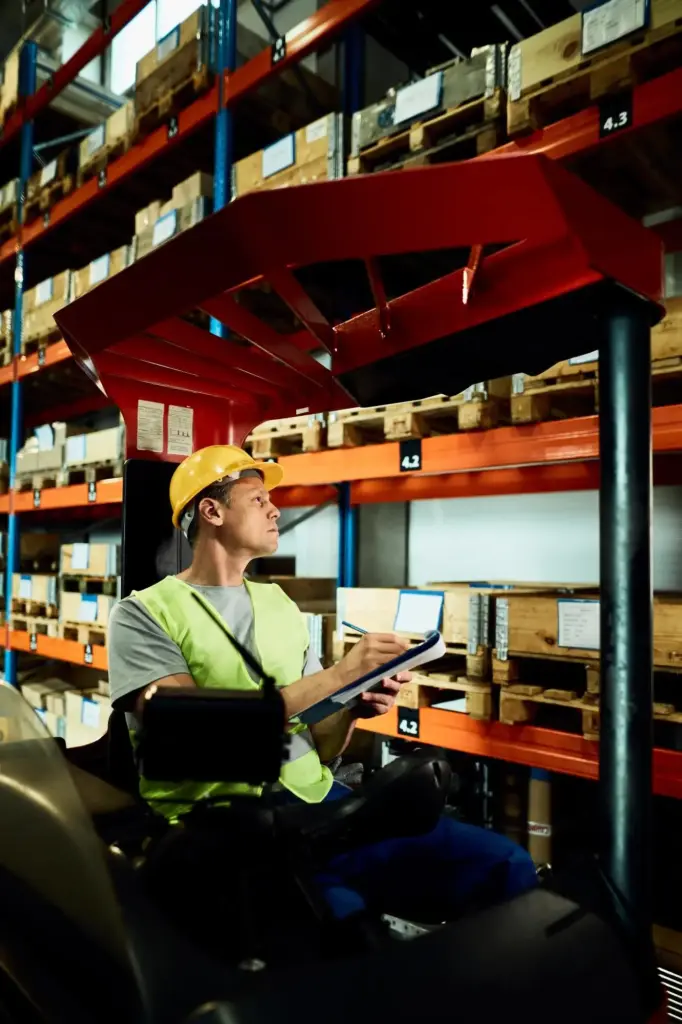
Place over-aisle identifiers before turning decisions, end-caps at human eye level, and bay tags clear of pallet overhang. Account for stacked loads, seasonal displays, and common forklift mast heights. The best spot is where heads already look, turning instinctive glances into clear, shared orientation without verbal instruction.

Lean in Color: Marrying 5S With Visual Cues

Visual design and lean are natural partners. Sorting, setting in order, shining, standardizing, and sustaining become tangible when colors, lines, and signs carry decisions into the workplace. Teams waste less time debating, more time delivering, because the environment broadcasts expectations continuously, even when supervisors are busy elsewhere.

Search Time as a Leading Indicator

Track how long associates spend looking rather than moving. Small reductions cascade into capacity gains across hundreds of picks. A stopwatch, a spaghetti diagram, and honest debriefs can reveal bottlenecks quickly. Improving clarity is often cheaper and faster than buying more space or hiring additional forklifts. At one Midwest site, a five-minute daily hunt vanished after a blue fast-pick ring replaced vague gray tape.

Wayfinding and Safety Move Together

Clear routes and purposeful sightlines reduce wandering, surprise encounters, and risky reversals. By separating pedestrians with marked corridors and reinforcing priorities with consistent colors, incident rates drop while morale rises. People feel looked after, and customers feel the benefit in steady service and predictable delivery performance, week after week.

Accuracy Improves When Directions Are Obvious

Mispicks often trace back to hesitation and visual ambiguity. Strong, redundant cues help the right bin, lot, and quantity leap out. Fewer corrections mean fewer re-labels, fewer returns, and calmer shifts. Operators end the day with confidence intact, not frustration from preventable, expensive, silent errors.

From Pilot to Everywhere: Rolling Out With People in Mind

Successful adoption is human work. Involve pickers, drivers, and leads from the start, gather feedback, and co-create standards. Celebrate quick wins loudly. Provide simple kits so teams can extend changes themselves. The aim is pride in place, where every improvement sticks because everyone helped build it.

Start Small, Learn Fast, Share Widely

Pick a contained area, draw a current-state map, and film a day of operations. Install the new visuals, then repeat the watch. Post side-by-side clips on a breakroom screen. When crews see their own motion streamline, skepticism fades quickly, and volunteers line up for the next wave.

Train the Eyes With Micro-Lessons

Short visual drills beat long lectures. Use quick huddles to explain palettes, arrow conventions, and numbering logic, then walk the route together. New hires learn the why and the where simultaneously. Confidence grows when answers are visible everywhere, not buried in binders or forgotten slide decks.

Sustain With Feedback and Light Governance

Establish an owner for visuals, a simple change log, and a monthly walk focused on clarity. Invite suggestions, test quickly, and retire confusing elements without ego. When stewardship is routine, the system stays sharp, aligns with growth, and keeps search time reliably low through every surge.